Iron is an essential mineral that plays a foundational role in how we feel and function every single day. Yet, low iron is one of the most common nutrient shortfalls worldwide. Whether you are looking to boost your daily energy, optimise your plant-based meals, or understand your body’s unique requirements, taking a closer look at iron can make a profound difference in your wellness routine.
Why Does Your Body Need Iron?
At its core, iron is a powerhouse mineral involved in several critical physiological processes throughout the body. Without adequate iron, these systems cannot operate at their best:
- Normal Oxygen Transport: Iron is a key building block of haemoglobin, the protein in red blood cells that carries oxygen from your lungs to every cell and tissue in your body.
- Energy-Yielding Metabolism: By facilitating oxygen delivery and participating in cellular processes, iron helps your body convert the food you eat into usable energy.
- Cognitive Function: Adequate iron levels support normal mental clarity, focus, and overall brain function.
- Immune Support: Iron contributes to the normal, healthy functioning of your immune system, helping your body defend itself.
- Formation of Red Blood Cells: Beyond transport, iron is vital for the continuous, healthy creation of red blood cells and haemoglobin.
When iron levels dip, it can directly affect how you feel, often leading to persistent fatigue, low stamina, and a general lack of vitality. Please note, these symptoms may also indicate other imbalances or underlying causes. Therefore, the best way to know and monitor your iron levels is through blood testing.
Where Can You Get Iron?
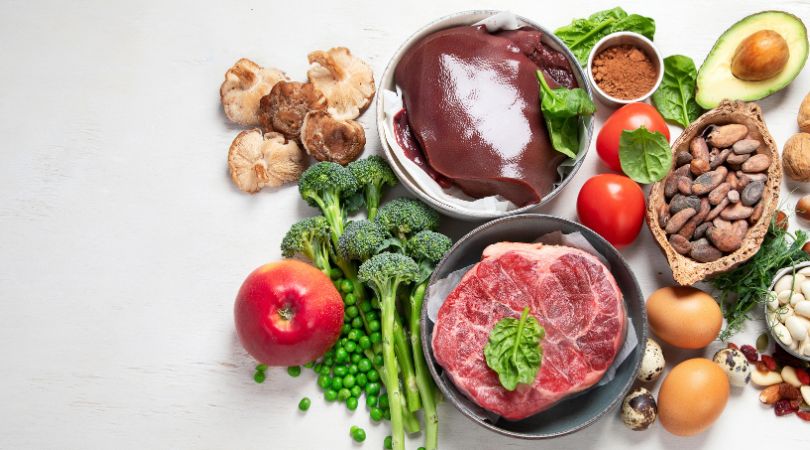
Dietary iron comes in two distinct forms: haem iron, which is found primarily in animal foods and is readily absorbed by the body, and non-haem iron, which is found in plant-based foods.
Animal Sources:
- Red meat
- Liver and other organ meats
- Poultry
- Fish and seafood
- Eggs
Plant Sources:
- Lentils, beans, and chickpeas
- Tofu and tempeh
- Pumpkin and sesame seeds
- Nuts
- Dark leafy greens
- Wholegrains
- Fortified foods
- Dried fruit
A Quick Tip for Plant-Based Iron Absorption:
Non-haem iron from plants is not absorbed quite as efficiently as haem iron. However, you can give your body a helping hand by pairing plant sources with vitamin C. For example, try squeezing lemon juice over a lentil salad, or pairing bean dishes with bell peppers, broccoli, or citrus fruits to naturally enhance absorption.
Remember: Iron requirements vary significantly from person to person, and more isn’t necessarily better. If you suspect low levels, testing can clarify whether you need adjustments to your food choices or targeted supplementation.
Who Needs Iron Most?
While iron is essential for everyone, the amount we need changes across our lifespan and depends heavily on individual circumstances, life stages, and physiological demands.
Some groups naturally have higher iron requirements:
- People who menstruate: Regular blood loss means a higher baseline need to maintain healthy iron stores.
- Pregnant women: Increased blood volume and the needs of a growing baby significantly raise iron demands.
- Athletes: High-intensity training and increased red blood cell turnover can elevate requirements for certain individuals.
Listening to Your Body
Feeling tired or lacking energy can certainly be associated with iron deficiency, but fatigue can stem from many different root causes – including sleep disruptions, stress, or other nutrient imbalances. Because symptoms alone cannot tell you whether your iron levels are low, a simple blood test is the most reliable way to assess your iron stores and determine if supplementation is truly appropriate.