Digestion is about more than just how we process food; it is the foundation of our immune system, our mood, and our long-term vitality. It also impacts how we digest and absorb the nutrients in our food, which, of course, affects how well we can use these nutrients in the body for a wide range of processes.
A key factor to consider when it comes to digestion is fibre.
There are two main types of fibre found in foods:
1. Soluble Fibre — The “Soother”
What it does: Dissolves in water to form a gel-like substance.
How it benefits your body: It slows digestion, helping to stabilise blood sugar and keep you feeling fuller for longer. It also acts like a “sponge” for cholesterol and can help soothe the gut lining.
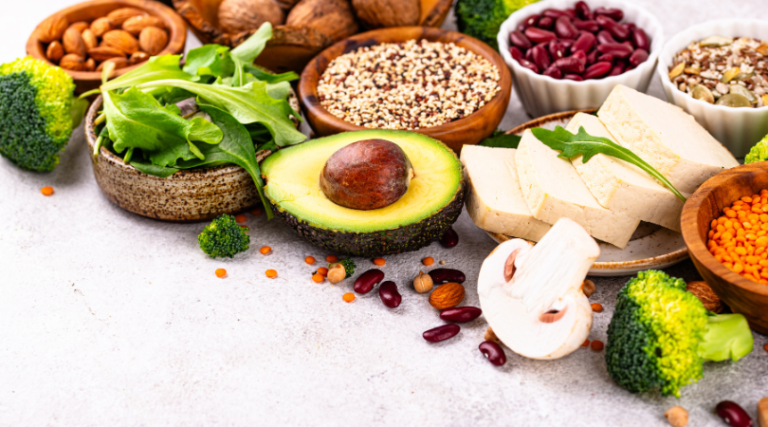
Find it in: Oats, beans, lentils, pears, apples, and psyllium husks.
2. Insoluble Fibre — The “Mover”
What it does: Does not dissolve in water; instead, it remains largely intact as it travels through your digestive system.
How it benefits your body: It acts like a “broom”, adding bulk to stools and helping to move things through the digestive tract. It is essential for regularity and keeping things flowing.
Find it in: Wholegrains, nuts, seeds, cauliflower, green beans, and vegetable skins.
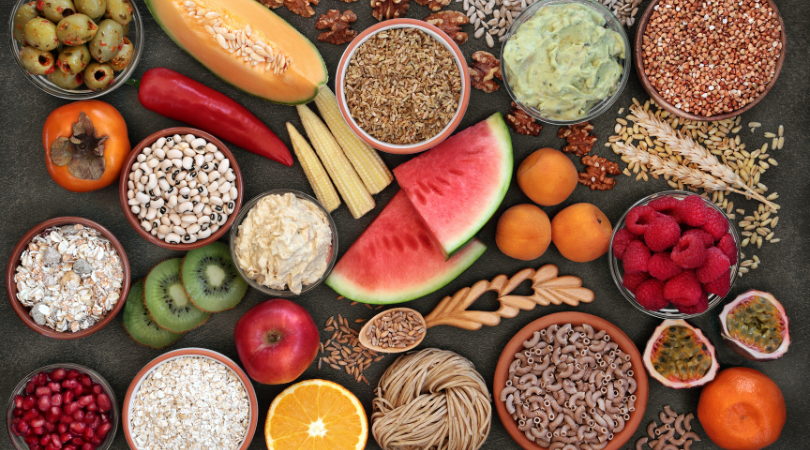
You don’t need to stress about counting each type separately, it is more important to focus on variety! By eating a wide range of colourful plant foods, you will naturally get a balance of both “soothing” and “moving” fibre to support a healthy gut.
We often hear about fibre in the context of digestion, but it also plays an important role as a prebiotic. You can learn more about this here: Probiotics vs Prebiotics – why you need both!
Fibre is a key fuel source for many of the beneficial bacteria in your gut. When you “feed” these bacteria with the right types of fibre, you are actively supporting a healthy gut microbiome, which in turn can support your immune system, hormone balance, and even your mood.
UK guidelines recommend that adults consume 30g of dietary fibre per day. Do you know what that looks like on a plate?
If you are going to include fibre in your diet, it’s important to know what that actually looks like. Here’s an example of how to get around 30g of fibre through your daily nutrition:
Breakfast: 1 cup of porridge with a handful of berries and 1 tablespoon of chia seeds (~12g)
Lunch: A hearty salad with leafy greens, quinoa, chickpeas and other sliced vegetables (~10g)
Dinner: 2 cups of mixed-vegetable stir-fry with your choice of protein (~8g)
Snacks: A piece of fruit (apple or pear) and handful of almonds (~5g)
Add in: Psyllium husks to breakfast porridge or smoothies (+4g per teaspoon)
The key is to get a variety of fruits, vegetables, legumes and more so that you are varying your nutrient intake while keeping your fibre levels sufficient.