Zinc is an essential mineral involved in a wide range of everyday processes in the body. Although we only need relatively small amounts, getting enough through our diet matters for normal immune function, skin health, cell division and many other physiological processes.
From the foods we eat to how our bodies maintain and repair tissues, zinc has several important roles. So, where can we find it, who might need to pay closer attention to their intake, and when might supplementation be worth considering?
Why Does Your Body Need Zinc?
Zinc is involved in numerous processes throughout the body, including:
- Normal immune function: Zinc contributes to the normal function of the immune system.
- Skin, hair and nails: Zinc contributes to the maintenance of normal skin, hair and nails.
- Cell growth and division: Zinc contributes to normal DNA synthesis and has a role in the process of cell division.
- Protein synthesis: Zinc contributes to normal protein synthesis, an important process in the body.
- Cognitive function: Zinc contributes to normal cognitive function.
- Protection from oxidative stress: Zinc contributes to the protection of cells from oxidative stress.
These roles make zinc an important part of a balanced diet. However, taking more zinc does not automatically mean better health, and supplementation is not always necessary.
Where Can You Get Zinc?
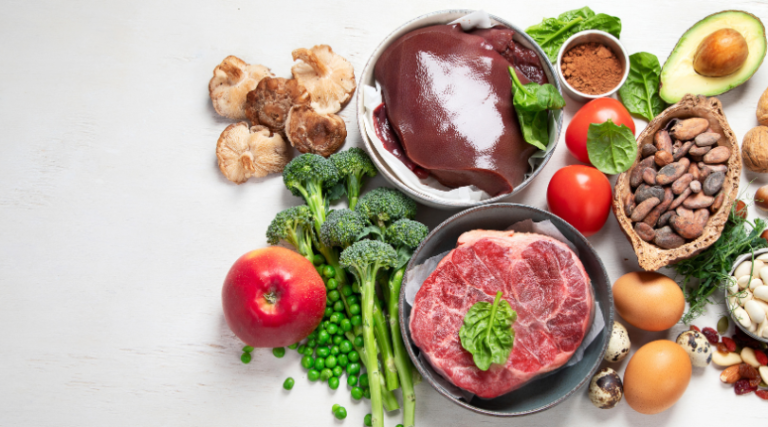
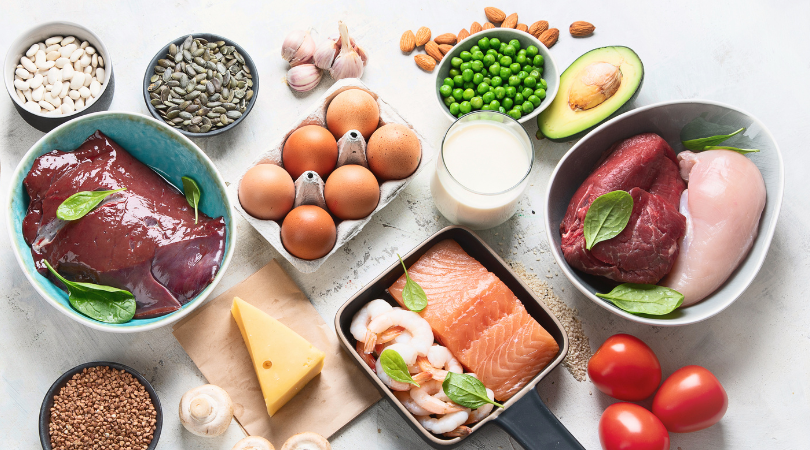
Zinc is found in a variety of animal and plant foods. The amount available to the body can vary depending on the food source and the overall composition of the diet.
Animal Sources
- Oysters and other shellfish
- Beef and lamb
- Pork and poultry
- Fish
- Dairy products
- Eggs
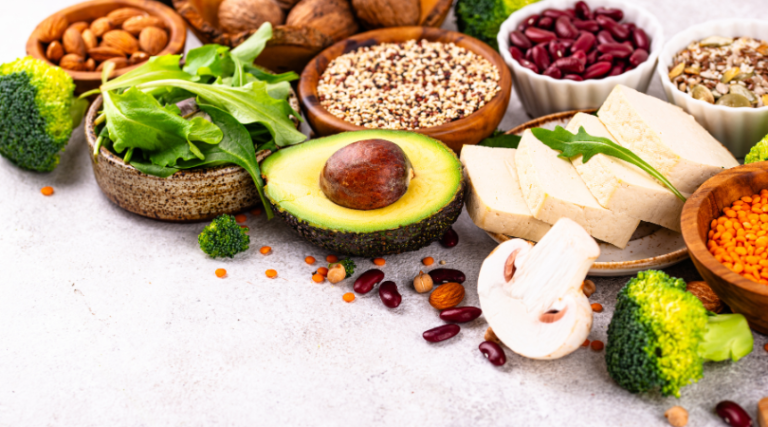
Plant Sources
- Pumpkin and hemp seeds
- Lentils, chickpeas and beans
- Tofu and tempeh
- Nuts, particularly cashews
- Wholegrains
- Fortified breakfast cereals
A Note on Plant-Based Zinc
Plant foods can provide useful amounts of zinc, but they also contain compounds called phytates, which can reduce zinc absorption. These occur naturally in foods such as legumes, nuts, seeds and wholegrains.
This doesn’t mean you need to avoid these foods. They offer valuable fibre, protein and other nutrients. Soaking, sprouting and fermenting foods can help reduce phytate levels and may improve zinc availability.
If you follow a vegetarian or vegan diet, eating a varied selection of zinc-containing foods regularly is a practical starting point.
Who Might Need to Pay More Attention to Zinc?
Zinc requirements and intake can vary depending on dietary habits, life stage and individual circumstances. Some people may benefit from taking a closer look at their intake, including:
- People following plant-based diets: Zinc is present in plant foods, but absorption can be lower in diets high in phytates.
- People with a limited or restrictive diet: Eating a narrow range of foods can make it harder to obtain enough of certain nutrients.
- Older adults: Dietary intake, appetite and individual health circumstances can change with age.
- People with digestive conditions: Certain gastrointestinal conditions can affect nutrient absorption and may warrant individual assessment.
These factors do not automatically mean someone has a zinc deficiency. They simply highlight circumstances in which dietary intake and individual needs may deserve more attention.
Can Low Zinc Levels Cause Symptoms?
Zinc is involved in many bodily functions, so inadequate intake over time can affect normal physiological processes. However, symptoms such as changes in skin condition, reduced appetite or impaired wound healing can have many different causes.
If you have ongoing concerns, a healthcare professional can assess your diet, health history and whether any investigations are appropriate.
Should You Take a Zinc Supplement?
A zinc supplement may be useful when dietary intake is inadequate or a healthcare professional identifies a reason to supplement.
Before choosing a supplement, consider:
- Your current intake: Review how often you eat zinc-containing foods.
- Your individual requirements: Your dietary pattern, life stage and health circumstances all matter.
- Your total intake: Check whether other supplements or multivitamins already contain zinc.
- The dose and duration: More is not necessarily better.
Taking excessive zinc over time can interfere with copper absorption and potentially lead to copper deficiency. High-dose supplementation should therefore be approached carefully, especially if you are already taking other products containing zinc.
A Balanced Approach to Zinc
Zinc is an essential mineral with important roles in normal immune function, cell division, protein synthesis and the maintenance of normal skin, hair and nails.
At twpsupplements.com we have Zinc Citrate capsules which contain 15 mg of zinc per capsule, suitable for inclusion as part of a varied and balanced diet.
Explore the range of nutritional supplements from The Wellness Practitioner (TWP), or speak with a qualified healthcare professional if you need guidance on your nutritional requirements.